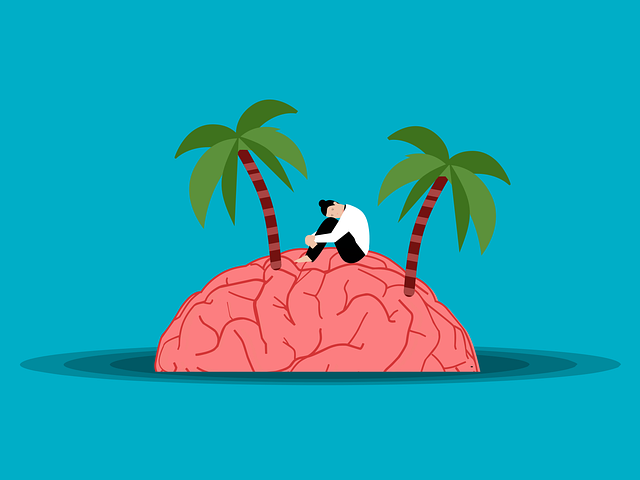
How to Overcome AI Anxiety
- Sep 19, 2024
- 4 min read
Updated: Feb 5
Artificial intelligence is everywhere. It writes texts, analyses data, creates images, supports medical decisions and increasingly shapes how we work and live. For many people, this rapid development is fascinating. For others, it triggers unease, stress or even real anxiety. If you find yourself worrying about AI, you are not alone. AI anxiety is becoming a very real and understandable response to fast technological change.
The good news is that there are ways to work with these fears rather than being overwhelmed by them. With the right strategies, you can regain a sense of calm, clarity and control.

What is AI anxiety?
AI anxiety describes persistent worry, fear or tension related to artificial intelligence. This can show up in different ways:
fear of losing your job or becoming replaceable
worries about surveillance, data misuse or loss of privacy
concerns about machines becoming too powerful or uncontrollable
feeling overwhelmed by how fast technology is changing
a general sense of helplessness or loss of direction
For some people, these worries stay in the background. For others, they can lead to sleep problems, constant rumination, irritability or a sense of dread about the future.
It is important to understand that this reaction is not irrational. Humans are wired to feel uneasy when facing uncertainty and loss of control. AI challenges familiar ideas about work, creativity and even what it means to be human. Feeling unsettled makes sense.
Step one: name what you are actually afraid of
AI anxiety often feels vague and overwhelming. One of the most effective first steps is to make it more concrete.
Ask yourself:
What exactly am I afraid of happening?
Is this fear about my job, my safety, my identity or my future?
Is this something that is happening now, or something I imagine might happen one day?
Writing your answers down can help. When fears stay abstract, they grow. When you name them clearly, they become easier to assess and work with.
Step two: Limit information overload
Constant exposure to alarming headlines, dramatic predictions and social media debates can intensify anxiety. Many articles about AI are designed to provoke strong emotional reactions rather than offer balanced information.
You might try:
setting boundaries around how often you read about AI
choosing a small number of reliable, neutral sources
avoiding late night scrolling on technology related topics
Staying informed is useful. Being constantly flooded with worst case scenarios is not.
Step three: Focus on what you can control
You cannot control the pace of technological development. You can control how you respond to it.
Helpful questions include:
What skills can I develop that make me adaptable?
How can I use AI as a tool rather than seeing it only as a threat?
What values do I want to prioritise regardless of technological change?
Shifting your focus from global fears to personal agency reduces feelings of helplessness.
Step four: Reconnect with your body and nervous system
Anxiety is not just a mental process. It is a physical one. When you feel tense, your nervous system is often in a state of alert.
Simple practices can help regulate this response:
slow, deep breathing
spending time outdoors
gentle movement such as walking or stretching
limiting caffeine and alcohol
maintaining regular sleep routines
These steps may seem basic, but they send powerful signals of safety to your nervous system.
Step five: Challenge catastrophic thinking
AI anxiety often involves imagining extreme future scenarios. While these can feel convincing, they are still predictions, not facts.
Try asking yourself:
What evidence do I have that this will definitely happen?
Are there alternative outcomes that are less extreme?
How have humans adapted to major technological changes in the past?
You do not need to dismiss your fears. You can acknowledge them while also grounding yourself in a broader, more balanced perspective.
Step six: Talk about it
Anxiety thrives in isolation. Sharing your thoughts with someone you trust can be surprisingly relieving. You may discover that others feel similarly, even if they have not spoken about it.
If your worries start to affect your mood, sleep or ability to focus, professional support can be a helpful next step.
When anxiety runs deeper
For some people, AI anxiety connects to deeper themes such as fear of loss of identity, lack of purpose, or long standing anxiety patterns. In these cases, practical tips alone may not be enough.
This is where therapeutic approaches can offer more support. Hypnotherapy can be a useful option if AI related anxiety feels persistent or overwhelming. It does not focus on convincing you that your fears are wrong. Instead, it works with how your mind and nervous system respond to uncertainty and perceived threat.
In a hypnotherapeutic setting, you can:
explore the emotional roots of your anxiety
calm automatic stress responses
develop a stronger sense of inner safety and stability
reframe your relationship with uncertainty and change
build confidence in your ability to adapt
Hypnosis works with focused attention and inner experience, helping you access calmer and more grounded states that are often difficult to reach through logic alone. Many people find this especially helpful when anxiety feels stuck on a deeper level.
Hypnotherapy is not about escaping reality or ignoring challenges. It is about strengthening your internal resources so that external changes feel more manageable.
Moving forward with perspective
AI is likely to remain a significant part of our future. Feeling uneasy about it does not mean you are weak or resistant to progress. It means you are human.
By understanding your fears, setting boundaries, strengthening your nervous system and seeking support when needed, you can reduce AI anxiety and regain a sense of balance.
And if the anxiety starts to take up too much space in your life, professional support, including hypnotherapy, can help you reconnect with clarity, confidence and calm.
You do not need to face uncertainty alone.
Frequently Asked Questions About AI Anxiety
Why are people afraid of AI?
People are probably afraid of AI because they hear many negative things about it. Additionally, there are potential dangers associated with artificial intelligence. However, it is still too early to say whether these will come true.
How many jobs will be lost due to AI?
Estimates suggest that up to 300 million full-time jobs worldwide could be replaced by artificial intelligence.
How many people are afraid of artificial intelligence?
Depending on the study, around 30% or even 70% of respondents fear AI. It likely depends heavily on who is surveyed, with factors such as gender, profession/education, and socioeconomic background playing an important role.