Starting Over After a Breakup: Healing Your Mind
Ending a relationship, whether it’s been long-term or relatively brief, can feel like the ground has shifted beneath your feet. Alongside sadness, anger, or relief, many people experience self-doubt, anxiety, and a sense of being “stuck.” It’s natural to want to move on quickly, but emotional healing takes time, understanding, and the right tools to rebuild your sense of self.
While it may seem tempting to distract yourself with work, social life, or even a new relationship, the most effective healing happens when you consciously address the thoughts and patterns that keep you tied to the past. Cognitive behavioural hypnotherapy (CBH) offers practical strategies for processing emotions, reframing thoughts, and gradually regaining confidence.
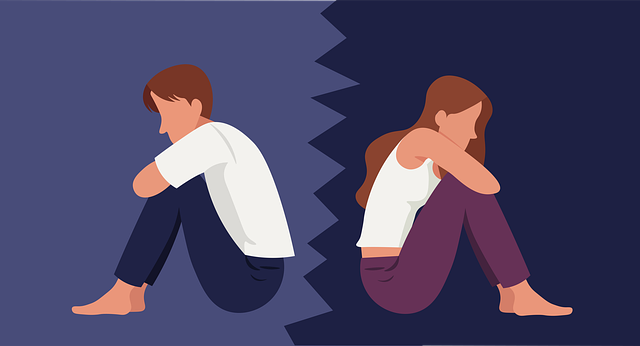
Understanding Why Breakups Hurt So Much
Breakups are often dismissed as “just emotional,” yet the pain people experience is very real, both psychologically and physically. When a relationship ends, the brain processes the loss in ways similar to withdrawal. The emotional bond we formed involved neurochemicals such as dopamine, oxytocin and serotonin, which regulate attachment, pleasure and emotional stability. When that bond suddenly disappears, the brain reacts with distress signals that can affect mood, sleep, appetite and concentration.
Neuroscience research has shown that emotional rejection activates some of the same brain regions involved in physical pain, particularly areas linked to distress and threat perception. This helps explain why heartbreak can feel physically overwhelming, producing sensations such as chest tightness, fatigue or even flu-like symptoms.
In extreme cases, intense emotional stress caused by events such as bereavement or relationship breakdown can trigger a medical condition known as Takotsubo cardiomyopathy, often called “broken heart syndrome.” This temporary heart condition causes symptoms nearly identical to a heart attack, including chest pain and shortness of breath. Studies have shown that severe emotional shock can temporarily weaken the heart muscle, demonstrating that emotional pain is not merely metaphorical but can have measurable physiological effects. Although most people recover fully, the condition highlights how deeply emotional experiences affect the body as well as the mind.
Understanding this mind-body connection can be reassuring. If a breakup feels overwhelming, it is not a sign of weakness but a natural response to loss. Your nervous system is reacting to a significant emotional event, and healing requires time, support and self-compassion.
Common Mental Patterns After a Breakup
Breakups trigger complex emotional and psychological reactions. Even if the relationship was unhealthy, ending it can stir grief, guilt, or fear of being alone. Often, we carry over thoughts like:
“I wasn’t good enough.”
“I’ll never find someone else.”
“I failed at this relationship.”
These thoughts are natural, but when they dominate your mind, they can keep you stuck in cycles of rumination and self-blame.
Rumination and Overthinking: Constantly replaying conversations or imagining different outcomes may feel like problem-solving, but it keeps the mind trapped in the past.
Fear of Future Relationships: Negative beliefs about love or trust can prevent you from opening up again, even when you’re ready.
Low Self-Esteem: Breakups often amplify insecurities and self-criticism, affecting confidence in all areas of life.
Emotional Avoidance: Distracting yourself excessively—through work, social media, or impulsive behaviours—can temporarily numb pain but slows real healing.
Hypnotherapy and CBT techniques can help you recognise these patterns and replace them with more supportive, realistic beliefs.
Steps to Heal and Rebuild Your Mind
1. Allow Yourself to Feel
Grief, sadness, anger, or even relief are all valid emotions. Accepting them, rather than suppressing them, is the first step toward recovery. Mindful reflection and journaling can help you identify what you are truly feeling and why.
2. Reframe Negative Thoughts
Using CBT techniques, you can challenge self-critical or exaggerated beliefs:
Replace “I’m not lovable” with “I have strengths and qualities that are valuable to the right person.”
Replace “I’ll never find happiness” with “I’m learning from this experience and moving toward new opportunities.”
3. Focus on Self-Care
Emotional healing is reinforced by taking care of your body and mind:
Regular exercise
Balanced nutrition
Sufficient sleep
Relaxation techniques like mindfulness or breathing
4. Set Healthy Boundaries
Limiting contact with an ex-partner, unfollowing triggering social media accounts, and avoiding environments that reinforce old patterns can help you create space to heal.
5. Explore Hypnotherapy for Emotional Release
Hypnotherapy can help you break habitual thought patterns. Through guided sessions, you can:
Release lingering emotional attachments
Reduce anxiety or obsessive thoughts
Build confidence and resilience for future relationships
When to Seek Professional Support
Sometimes, the pain of a breakup can trigger depression, prolonged anxiety, or feelings of hopelessness. If you notice persistent sadness, loss of interest in daily life, or difficulty functioning, reaching out to a therapist or hypnotherapist can provide tailored support. You don’t have to face these emotions alone, and professional guidance can accelerate healing.
Moving Forward
Starting over after a breakup is less about forgetting and more about understanding, processing, and gradually rewriting your inner narrative. By combining self-reflection, practical CBT strategies, and supportive tools, you can not only heal but also emerge stronger, more resilient, and ready for a future that reflects your worth. Remember, recovery is a journey, not a race. Each step you take toward understanding your mind and nurturing yourself is a step toward reclaiming your happiness.


