The Role of Gratitude in Mental Health
Gratitude is often thought of as a simple, even polite emotion, something we express when someone holds a door open or gives us a gift. Yet in psychological research, gratitude is far more than good manners. It is a powerful emotional process that can shape how we regulate emotions, relate to others, and experience long-term wellbeing.
Rather than being just a fleeting feeling, gratitude can be understood as a mental habit that shifts attention away from what is lacking and towards what is present, meaningful, or supportive in our lives. Over time, this shift in perspective can have measurable effects on mental health.
What Gratitude Actually Is (From a Psychological Perspective)
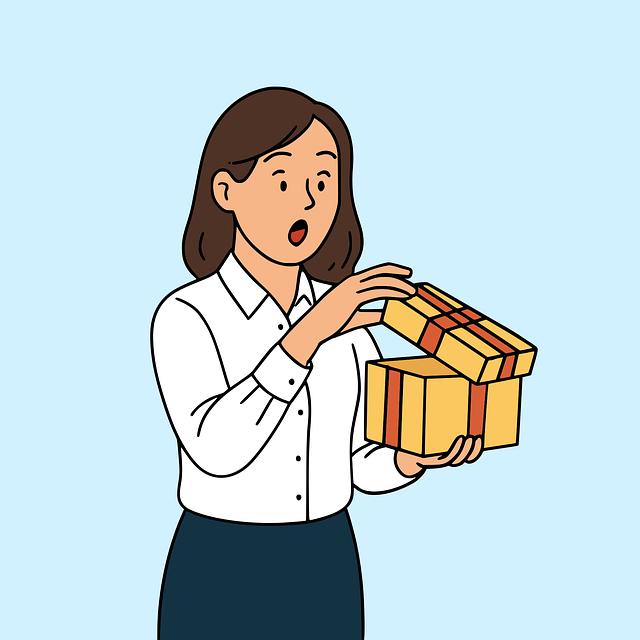
In psychology, gratitude is typically defined as a positive emotional response to receiving something valuable, whether it is tangible (help, support, resources) or intangible (kindness, attention, emotional presence).
Importantly, gratitude is not just about appreciation. It involves two key cognitive steps:
Recognising that something positive has happened
Acknowledging that it came at least partly from outside oneself
This makes gratitude different from general positivity. It is relational and reflective. It connects us to other people and to experiences we might otherwise take for granted.
How Gratitude Changes Emotional Regulation
One of the most significant effects of gratitude is its impact on emotional regulation, which refers to how we manage and respond to emotional experiences.
When people regularly practise gratitude, research suggests they tend to:
experience less rumination (repetitive negative thinking)
recover more quickly from stress
focus less on threat-based thinking
experience more emotional balance overall
This happens because gratitude shifts attentional focus. Instead of the brain continuously scanning for problems or deficits, it begins to notice positive or stabilising aspects of experience. This does not eliminate negative emotions, but it can reduce their intensity and duration.
Gratitude also appears to support a more flexible emotional response. Rather than reacting automatically to stress, individuals are more likely to pause, reframe, and regulate their response in a calmer way.
Gratitude and Relationships
Gratitude plays a particularly important role in social and interpersonal functioning. Human beings are deeply social, and our emotional wellbeing is strongly shaped by the quality of our relationships.
Expressing gratitude towards others can:
strengthen social bonds
increase trust and cooperation
encourage prosocial behaviour
reduce conflict and resentment
When someone feels appreciated, they are more likely to repeat supportive behaviours, creating a positive feedback loop within relationships. At the same time, the person expressing gratitude becomes more aware of support systems that already exist in their life.
Even internally felt gratitude, without expression, can shift how we perceive relationships. Instead of focusing on what is missing or frustrating, attention moves towards what is working, which can soften emotional tension in social interactions.
Over time, this contributes to more stable, satisfying, and resilient relationships.
Gratitude and Long-Term Wellbeing
Beyond short-term emotional effects, gratitude is associated with long-term psychological wellbeing. Studies in positive psychology have found links between gratitude and:
higher life satisfaction
lower levels of depressive symptoms
improved sleep quality
greater resilience in the face of stress
One explanation is that gratitude helps build what psychologists sometimes refer to as “psychological resources”. These include optimism, emotional stability, and perceived social support.
Gratitude also encourages a shift in narrative perspective. Instead of interpreting life primarily through problems or deficits, individuals begin to construct a more balanced mental representation of their experiences. This does not mean ignoring difficulties, but integrating positive experiences into the overall picture of life.
Over time, this more balanced perspective can buffer against chronic stress and emotional exhaustion.
Why Gratitude Can Feel Difficult
Despite its benefits, gratitude is not always easy to practise, especially during stressful or emotionally difficult periods. When people are overwhelmed, the brain naturally prioritises threat detection over appreciation. This means attention is drawn more strongly to problems than to positive aspects of experience.
In addition, gratitude can sometimes feel emotionally inaccessible if someone is experiencing burnout, grief, or prolonged stress. In these cases, the absence of gratitude is not a personal failure but a reflection of the nervous system being in a survival-oriented state.
This is important because it reframes gratitude not as an obligation, but as something that becomes easier when emotional safety and stability are restored.
How to Cultivate Gratitude in a Realistic Way
Gratitude does not need to be forced or exaggerated to be beneficial. Small, consistent practices are often more effective than intense or artificial positivity.
Some evidence-informed approaches include:
briefly noting one or two things that went well during the day
acknowledging specific acts of support from others
writing down moments of comfort or ease, however small
mentally revisiting positive interactions before sleep
The key is consistency rather than intensity. Over time, these small moments of attention can gradually reshape habitual thinking patterns.
Final Thoughts
Gratitude is not about denying difficulties or pretending everything is fine. It is about widening attention so that positive experiences are not overlooked. In doing so, it supports emotional regulation, strengthens relationships, and contributes to long-term mental wellbeing.
In a world where attention is often drawn towards problems, risks, and pressures, gratitude offers a simple but powerful counterbalance. It helps anchor the mind in what is already present, already supportive, and already meaningful.


