What We Can Learn From Bali About Mental Health
Some places stay with you long after you leave. For me, Bali was one of them. During my trip, I found myself feeling unusually calm, present, and genuinely happy in a way that felt difficult to fully explain. There was something about the atmosphere of the island that felt almost magical: the daily offerings placed outside homes and shops, the sense of spirituality woven into everyday life, the slower pace, the connection to nature, and the warmth of the people.
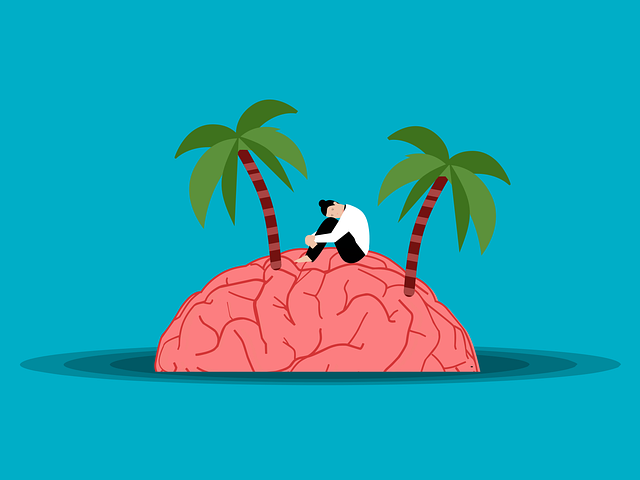
Like many travellers, I caught myself wondering: Why does this place feel so good? Was it simply the effect of being on holiday, or are there elements of Balinese culture and lifestyle that genuinely support mental wellbeing?
While no destination is a cure for stress, anxiety, or emotional struggles, my experience in Bali inspired me to look deeper into the psychological research behind what makes certain environments feel so restorative. Interestingly, many aspects of life in Bali align closely with evidence-based principles known to support mental health. From rituals and community connection to nature exposure and mindfulness, there may be more we can learn from this culture and environment than we realise.
The Psychological Benefits of Ritual
One of the first things I noticed in Bali was the daily ritual of canang sari—small offerings made from flowers, incense, and food that are placed outside homes, temples, restaurants, and streets. These rituals happen every day and create intentional moments of pause, gratitude, and reflection.
Research suggests rituals can reduce anxiety by increasing feelings of control and predictability, particularly during uncertainty. Rituals can also improve emotional regulation and create a stronger sense of meaning.
Even simple routines such as making coffee mindfully, journalling, or taking a daily walk can create similar psychological benefits.
Community and Social Connection
Another striking part was the visible sense of community. Ceremonies often involve entire families and neighbourhoods, and social life appears deeply interconnected. Even as a traveller I was welcomed as if I had belonged to the community not just for a few days.
This matters because social connection is one of the strongest predictors of mental health. Loneliness has been linked to increased depression, anxiety, stress, cardiovascular disease, and even earlier mortality.
Humans are highly social creatures. Feeling connected to others creates emotional safety and resilience.
Nature and Mental Restoration
Whether it was walking through rice terraces in Ubud, hearing ocean waves, or simply seeing more greenery than concrete, nature felt like a constant part of daily life.
This connection to nature is strongly supported by research. Exposure to green spaces has been linked to lower stress levels, reduced rumination, improved mood, and better cognitive functioning.
Natural environments help regulate the nervous system and allow the brain to recover from constant stimulation.
Slower Living and Reduced Time Pressure
One of the biggest contrasts I noticed after returning home was how rushed everyday life felt. In Bali, things often moved more slowly (even more slowly than in Spain). There seemed to be less urgency and more space between activities.
Chronic time pressure is associated with burnout, stress, and lower life satisfaction. Constant busyness can keep the nervous system in a prolonged state of stress activation.
A slower pace allows more opportunities for recovery and reflection.
Meaning and Spirituality
Spirituality in Bali is not separated from daily life—it seems integrated into it. Temples, ceremonies, symbols, and rituals are visible everywhere.
Research shows that meaning and purpose are strongly linked to psychological wellbeing and resilience. People who feel their lives have meaning often cope better with stress and uncertainty.
Even outside religion, meaning can come from relationships, creativity, service, and personal values.
Presence and Mindfulness
I also noticed how much easier it felt to be present. Without the constant distractions of routine, deadlines, and notifications, it felt easier to slow down and notice small moments.
Mindfulness research consistently shows that present-moment awareness can reduce stress, anxiety, and emotional reactivity while improving wellbeing.
While travel can create temporary distance from stressors, it can also remind us how disconnected we often become from the present moment in daily life.
The “Holiday Effect” Is Real—But Incomplete
Of course, part of Bali’s appeal may simply be that people are on holiday. Research shows vacations can temporarily improve wellbeing, reduce stress, and improve mood.
However, these benefits often fade quickly when people return to highly stressful environments. This suggests the real challenge is integrating helpful habits into everyday life.
What We Can Bring Into Our Own Lives
We may not be able to stay in holiday-mode permanently, but we can apply some of its lessons:
Create small daily rituals
Spend more time in nature
Prioritise meaningful relationships
Reduce unnecessary busyness
Practice mindfulness
Focus on meaning over productivity
Mental wellbeing is often built through repeated daily behaviours rather than dramatic life changes.
Final Thoughts
Bali felt magical to me, but much of that “magic” may actually be explained by psychology. The island highlights how environment, rituals, community, nature, mindfulness, and meaning all influence mental health.
My trip reminded me that wellbeing is often less about finding happiness somewhere far away and more about learning which habits, environments, and values help us feel more balanced wherever we are.
References
Brooks, A. W., Schroeder, J., Risen, J. L., et al. (2016). Don’t stop believing: Rituals improve performance by decreasing anxiety. Organizational Behavior and Human Decision Processes, 137, 71–85.
Holt-Lunstad, J., Smith, T. B., Baker, M., Harris, T., & Stephenson, D. (2015). Loneliness and social isolation as risk factors for mortality. Perspectives on Psychological Science, 10(2), 227–237.
Bratman, G. N., Hamilton, J. P., Hahn, K. S., Daily, G. C., & Gross, J. J. (2015). Nature experience reduces rumination and subgenual prefrontal cortex activation. PNAS, 112(28), 8567–8572.
Sonnentag, S., & Fritz, C. (2007). The Recovery Experience Questionnaire. Journal of Occupational Health Psychology, 12(3), 204–221.
Steger, M. F. (2012). Making meaning in life. Psychological Inquiry, 23(4), 381–385.
Keng, S. L., Smoski, M. J., & Robins, C. J. (2011). Effects of mindfulness on psychological health. Clinical Psychology Review, 31(6), 1041–1056.
de Bloom, J., Geurts, S. A. E., & Kompier, M. A. J. (2013). Vacation effects on health and wellbeing. Work & Stress, 27(1), 35–52.


